Urban Vision
The Linear City Concept
A high-density, human-scaled urban model that aligns housing, mobility, and green space into a coherent framework for sustainable growth.
4
Core planning pillars
How the model works
Linear City organizes growth around connected neighborhoods, efficient transit, and preserved landscapes so urban expansion becomes more compact, legible, and resilient.

Overview
A city shaped by movement
Instead of spreading outward in every direction, the concept concentrates development along a clear urban spine that supports daily life with shorter distances and stronger connectivity.
Transit
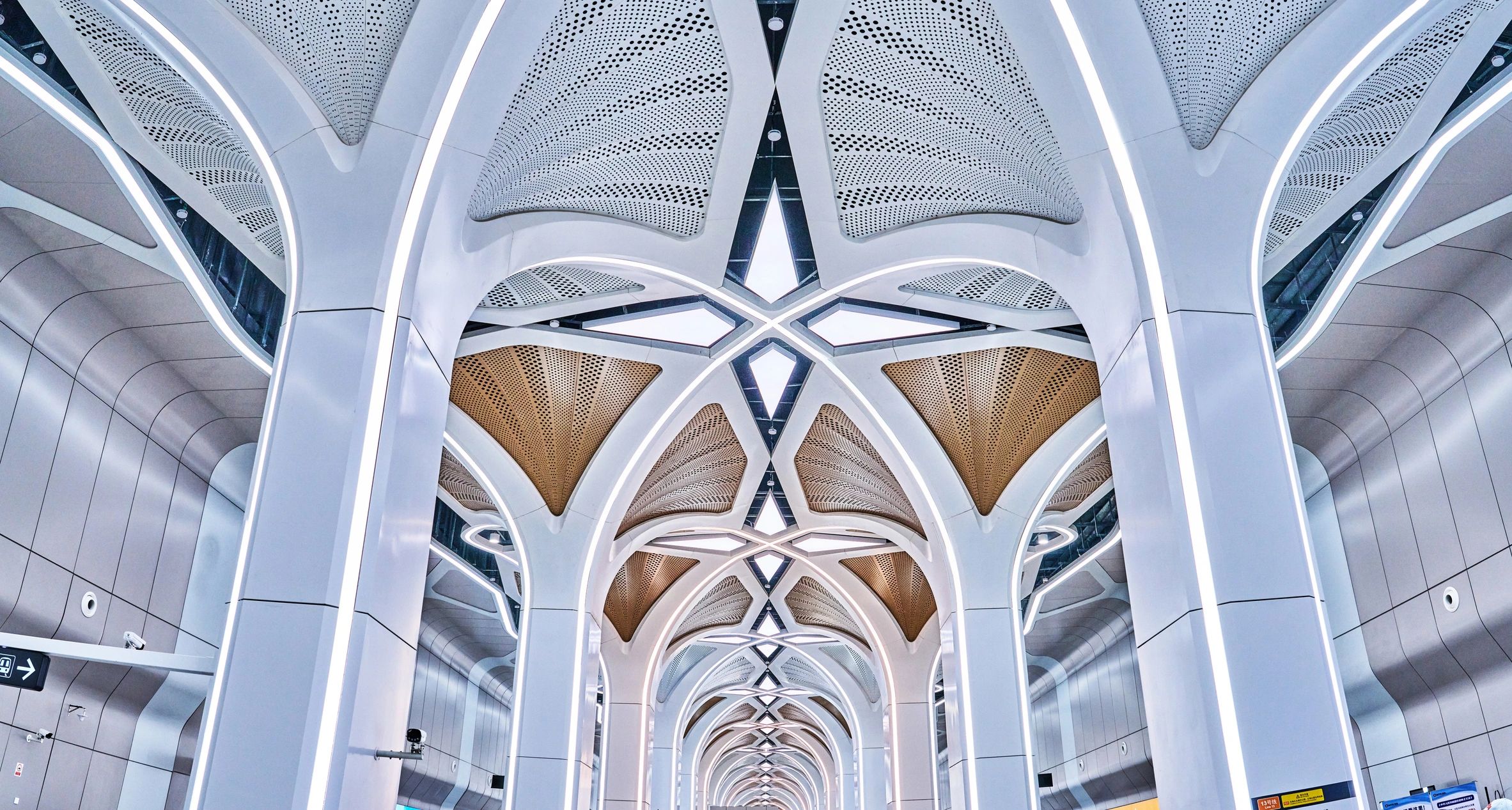
Mobility below, life above
Underground public transit carries high-capacity movement efficiently, allowing surface-level neighborhoods to prioritize people, public space, and environmental quality.
Nature
Density with open land
By limiting land consumption, the model protects green space and integrates nature as a defining part of the city rather than an afterthought.
Features
Key planning features
The concept brings together urban efficiency, environmental stewardship, and community life in a single planning framework.
High-density housing
Supports vibrant neighborhoods while using land more efficiently.
Integrated transit
Connects districts through reliable underground public transportation.
Human-scale streets
Creates comfortable public spaces designed for everyday life.
Neighborhood identity
Builds community through local services, gathering places, and shared amenities.
Protected green space
Preserves natural systems and limits unnecessary outward sprawl.
Long-term resilience
Offers a flexible model for sustainable growth and future adaptation.
Benefits
Why this concept matters
Less
Land consumption
Compact form helps reduce the footprint of urban expansion.
More
Transit efficiency
Coordinated mobility supports faster, more reliable movement.
Stronger
Community life
Walkable neighborhoods encourage connection and daily convenience.
Linear City presents a practical way to think about future urban development through density, accessibility, and ecological balance.