Research
Evidence for Better Urban Form
Explore the studies, spatial insights, and planning questions that shape the Linear City model. This page brings together research themes on density, mobility, land preservation, and neighborhood life.
Insights
Key Research Areas
Linear City research focuses on how urban form can support sustainability, access, and quality of life at the same time.
01
Land Use Efficiency
Examining how compact development can reduce sprawl, preserve open landscapes, and make infrastructure investment more effective.
02
Transit Integration
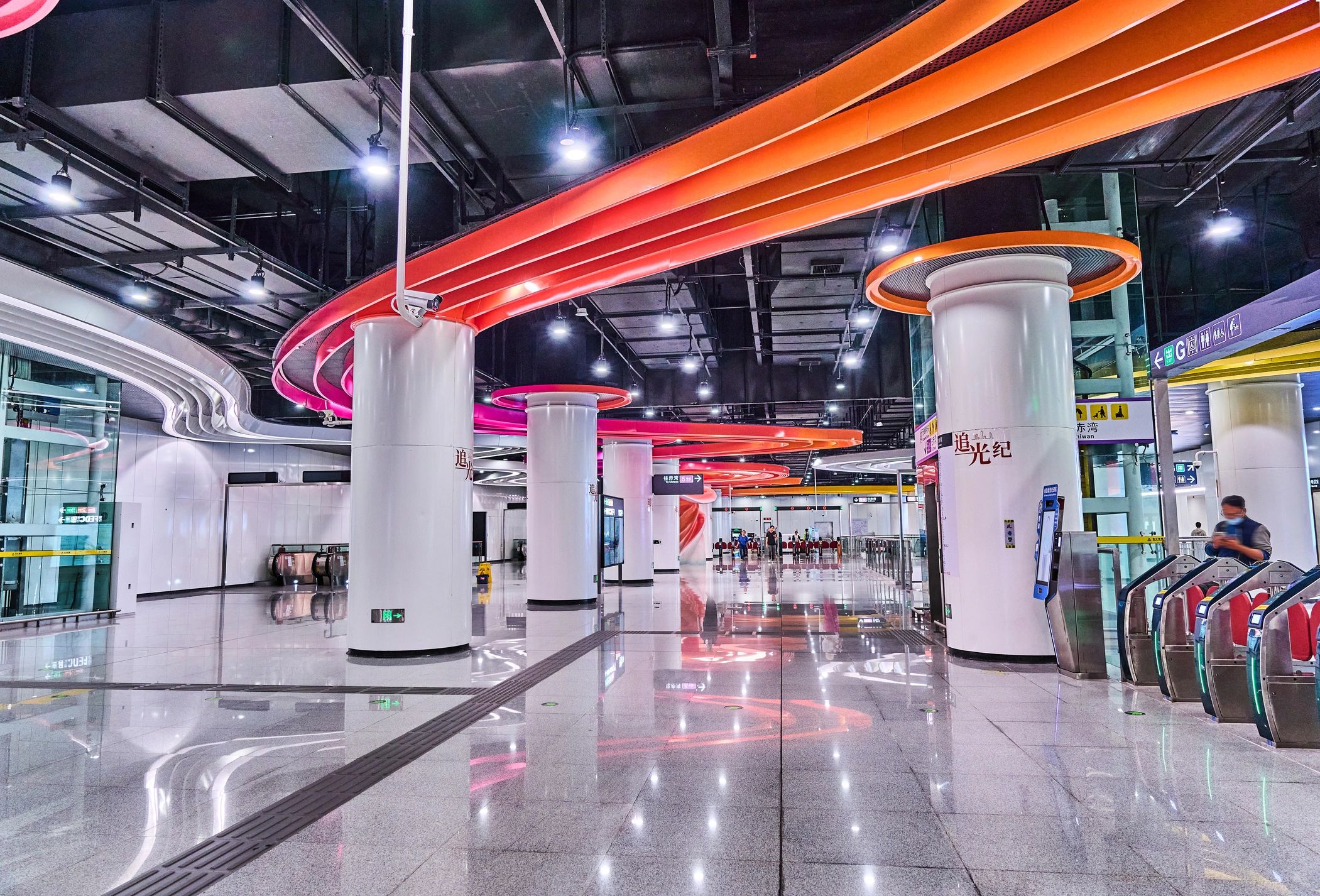
Studying how underground and high-capacity transit can shorten daily travel while supporting dense, walkable neighborhoods above.
03
Human-Scaled Density
Exploring how housing, public space, and local services can be organized to keep density livable, social, and connected to nature.
Case Study
How the Model Is Evaluated
A research framework for testing whether linear urban development can improve mobility, reduce land consumption, and strengthen neighborhood resilience.
Client
Linear City
Industry
Urban Planning
Services
Spatial analysis, mobility research, sustainability assessment
Year
Ongoing
The Research Question
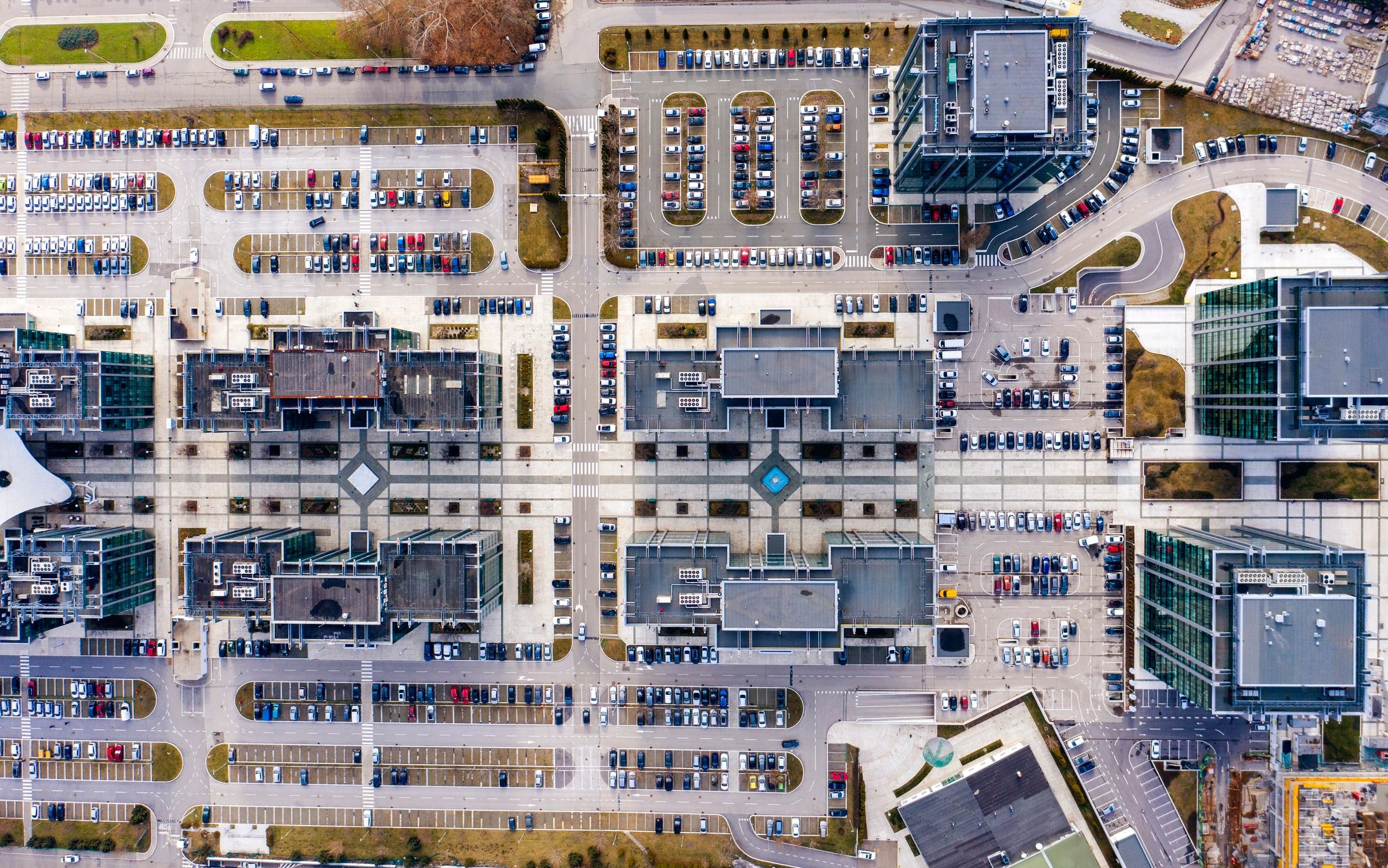
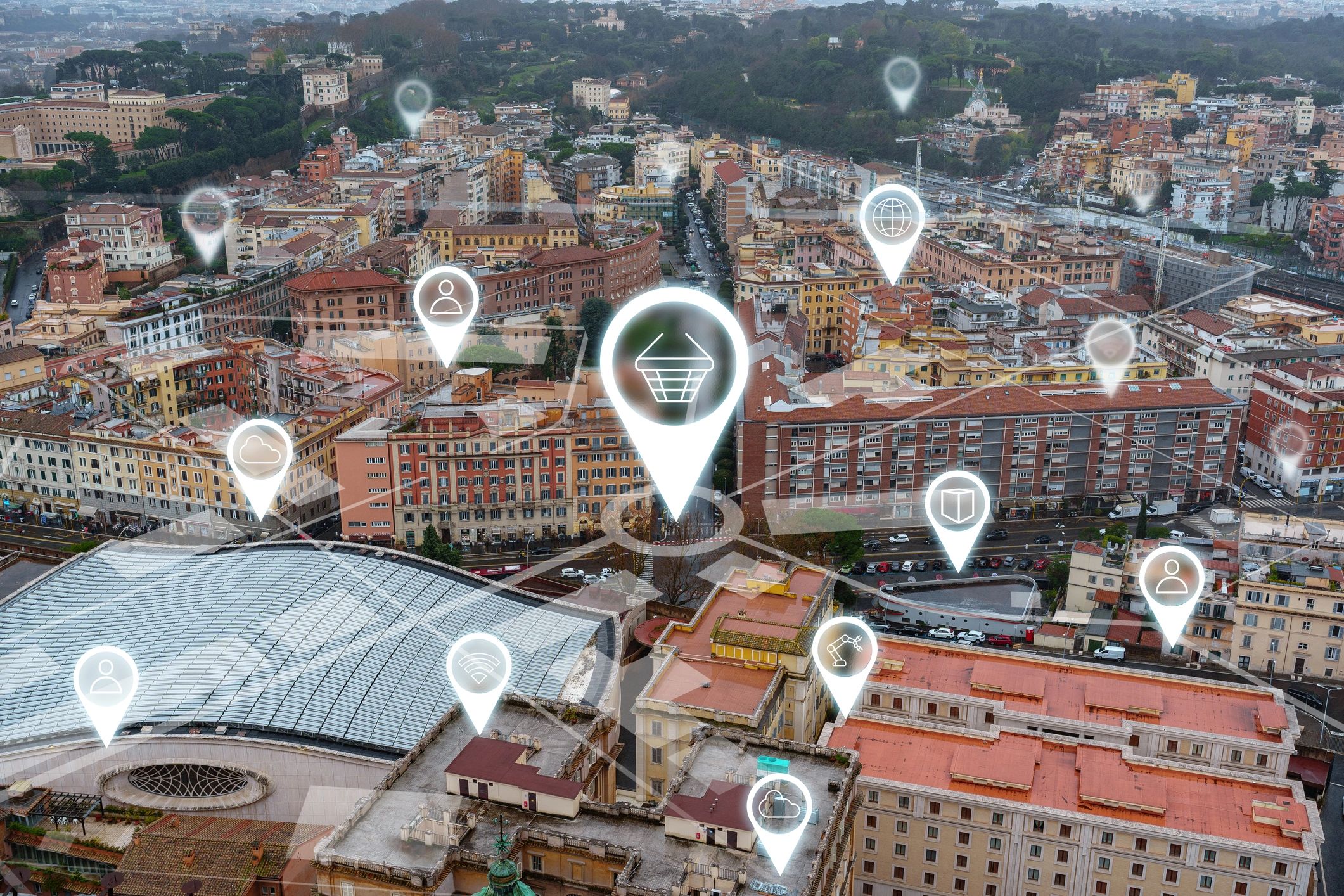
Can a city organized around efficient transit corridors and compact neighborhoods deliver both environmental performance and everyday livability? Research compares this model against conventional expansion patterns, focusing on travel behavior, infrastructure efficiency, and access to green space.
Methods and Measures
The concept is studied through comparative planning analysis, precedent review, density modeling, and scenario testing. Key measures include travel time, land consumption, service access, and the relationship between built form and preserved natural systems.
What the Research Tracks
Mobility
Transit access and reduced car dependence
Land
Compact growth with more open space retained
Community
Walkable neighborhoods with local daily needs nearby
Research Questions
Common topics explored by planners, architects, researchers, and policymakers when evaluating the Linear City concept.
Why study linear urban form?
Because urban form shapes mobility, land use, infrastructure cost, and daily quality of life. A linear model offers a distinct framework for testing these relationships.
What makes the concept sustainable?
Its emphasis on compact development, integrated transit, and preserved green space supports lower land consumption and more efficient movement patterns.
How is success measured?
Research can assess travel times, access to services, housing density, infrastructure efficiency, and the amount of land protected from outward sprawl.
Is this only a transport idea?
No. Transit is one part of a broader urban system that also includes housing, public realm, neighborhood services, and ecological preservation.
Who can use this research?
Urban planners, public agencies, academic researchers, architects, and civic leaders can all use it to inform future development strategies.
How does it relate to existing cities?
The research can be applied as a lens for new development, corridor-based growth, or strategic retrofits within metropolitan regions.